 Billericay Electrical Services
Guide
How to Choose a Company for an EICR
Choose an EICR company by checking the inspector's qualifications and registration, asking what the report covers, and getting a written quote.
- Send a short enquiry
- Covering Essex
- EICR and related services
The most reliable way to choose a company for an EICR is to check that the electrician is qualified to inspect and test existing installations, belongs to a recognised registration scheme, and will give you a written quote and a clear written report. Price matters, but the thoroughness of the inspection matters more, because an electrical installation condition report is only useful if it is accurate. Billericay Electrical Services carries out EICR work for customers in Billericay and across Essex.
Why the choice of company matters
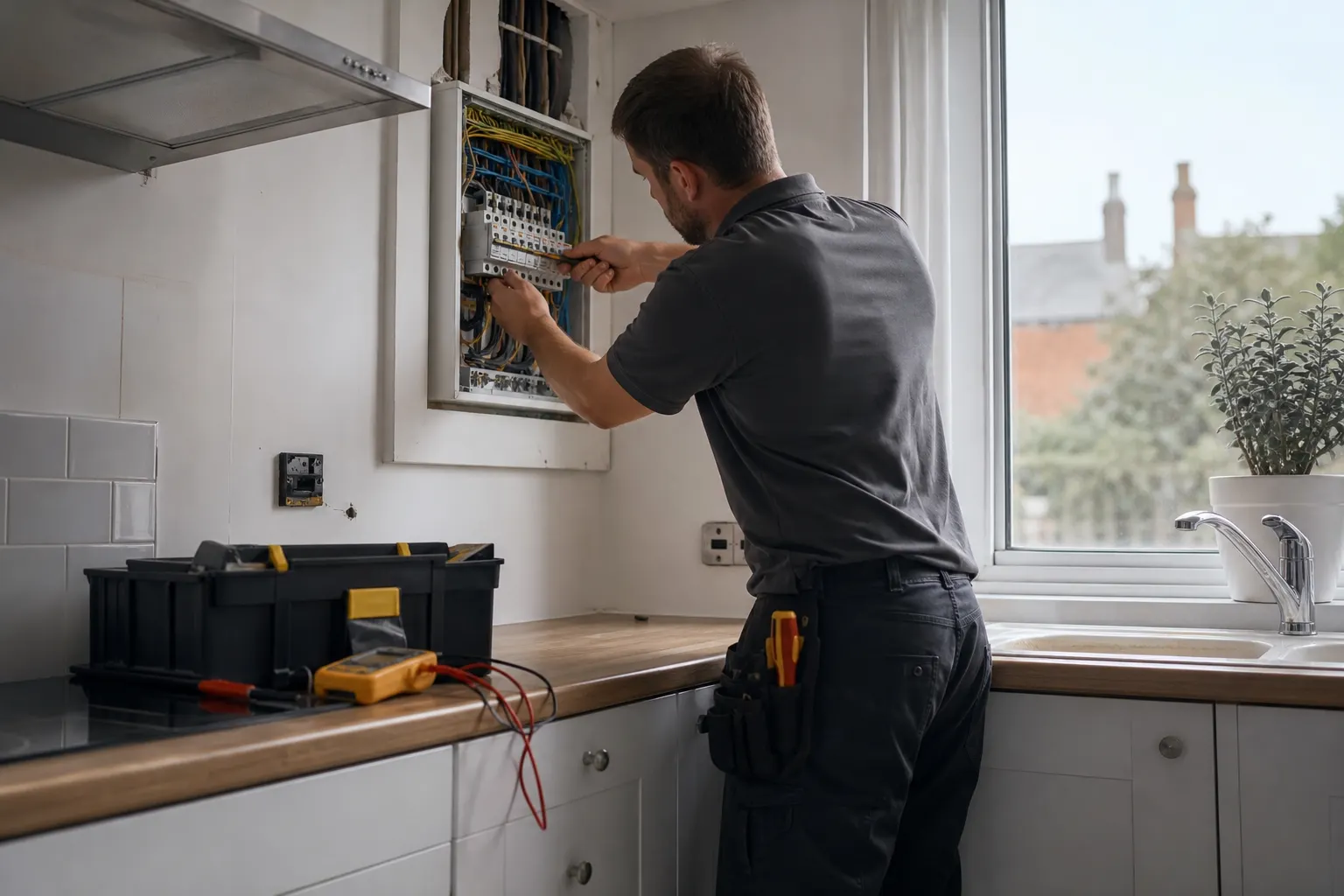
An EICR (electrical installation condition report) is a formal assessment of the fixed wiring and equipment in a property: the consumer unit, circuits, sockets, lighting, earthing and bonding. The inspector tests the electrical system and records anything damaged, deteriorated or not up to current standards.
Two companies can both hand you a certificate, but the value of it depends on how carefully the inspection was done. A rushed visit can miss faults. An overcautious one can list things that need no action. You want someone who tests properly and explains the findings in plain English.
Questions to ask before you book
Start with qualifications. Inspection and testing is a different skill from installing, so ask whether the electrician holds a recognised qualification in periodic inspection and testing, and whether they work to the Wiring Regulations (BS 7671). Ask which competent person scheme they are registered with, and ask to see proof. A genuine electrician will not mind.
It is also sensible to ask about insurance, and what the report will include. You should receive a written report with observation codes that show what is urgent and what is advisory. Ask whether they test every circuit or only a sample, and if it is a sample, how it is chosen and why.
Finally, ask who will actually attend. You are hiring the person signing the report, so you want to know they carried out or properly supervised the testing.
How EICR pricing works
Because there is no single going rate, be wary of any company quoting before it knows anything about your property. The main things that move the cost are the number of circuits, the size of the property, the age and condition of the wiring, and how easy it is to reach the consumer unit, sockets and fittings. Furniture, locked rooms and tenants who are hard to reach all add time.
Companies price in different ways. Some give a fixed price for the inspection, others charge a callout fee plus an hourly rate. Time of day can also make a difference. Ask whether the quote covers the full report, any travel, and a re-visit if access fails.
Note that the inspection itself is separate from remedial works. If the report finds faults, repairs are usually quoted separately because nobody can know what is needed until the testing is done. Ask for the quote in writing and check what it includes, so you can compare like with like.
Warning signs to watch for
Be cautious if a company will not say who is doing the inspection, cannot show registration or qualifications, or offers a report without visiting. An EICR cannot be done remotely.
Be careful with a very short quote that does not mention testing every circuit, and with anyone who guarantees a pass. An inspector reports what they find, and the result is either satisfactory or unsatisfactory. Also be wary of a firm that finds a long list of expensive problems but will not explain each one, or that pressures you to agree to repairs on the spot. You are free to get a second opinion or another quote for remedial works.
Who needs one, and how an EIC differs
For rented homes, the landlord is normally responsible for arranging the EICR, not the tenant. Landlords usually need to keep reports current, commonly with an inspection at least every five years or sooner if the report says so, and to give tenants a copy. Businesses and employers also have duties under the Electricity at Work Regulations to keep their systems safe. Rules can change, so check GOV.UK for the current position.
An EIC (electrical installation certificate) is not the same as an EICR. An EIC is issued when new wiring or a new circuit is installed, and it confirms that work was designed, built and tested properly at that point. An EICR looks at how the installation has stood up over time. An EIC does not replace the need for an EICR later, because wiring ages and gets altered.
Common questions
Can any qualified electrician do an EICR?
Not necessarily. Being a qualified electrician does not automatically mean someone is competent at inspection and testing. Ask about their specific inspection qualification, their registration scheme and their experience with EICRs.
Can you do your own EICR?
Realistically, no. An EICR needs calibrated test equipment, specialist training and the knowledge to interpret results against the Wiring Regulations. Landlords and insurers generally expect a report from a suitably qualified, registered electrician.
What happens if my EICR is unsatisfactory?
The report will list the issues and how serious each one is. Urgent faults need putting right promptly, and you will usually need remedial works completed and confirmed in writing. Ask for any repair quote in writing before agreeing.