 Billericay Electrical Services
Guide
Common mistakes with EICRs and how to avoid them
The most common EICR mistakes are hiring the wrong person, blocking access, ignoring the codes and choosing on price alone. Here is how to avoid each one.
- Send a short enquiry
- Covering Essex
- EICR and related services
The most common EICR mistakes are using someone who is not properly qualified, not allowing full access, ignoring the observations in the report and choosing a quote without checking what it covers. Each one can lead to a report that is incomplete, delays, or electrical faults that stay unnoticed. A little preparation before the inspection avoids almost all of them.
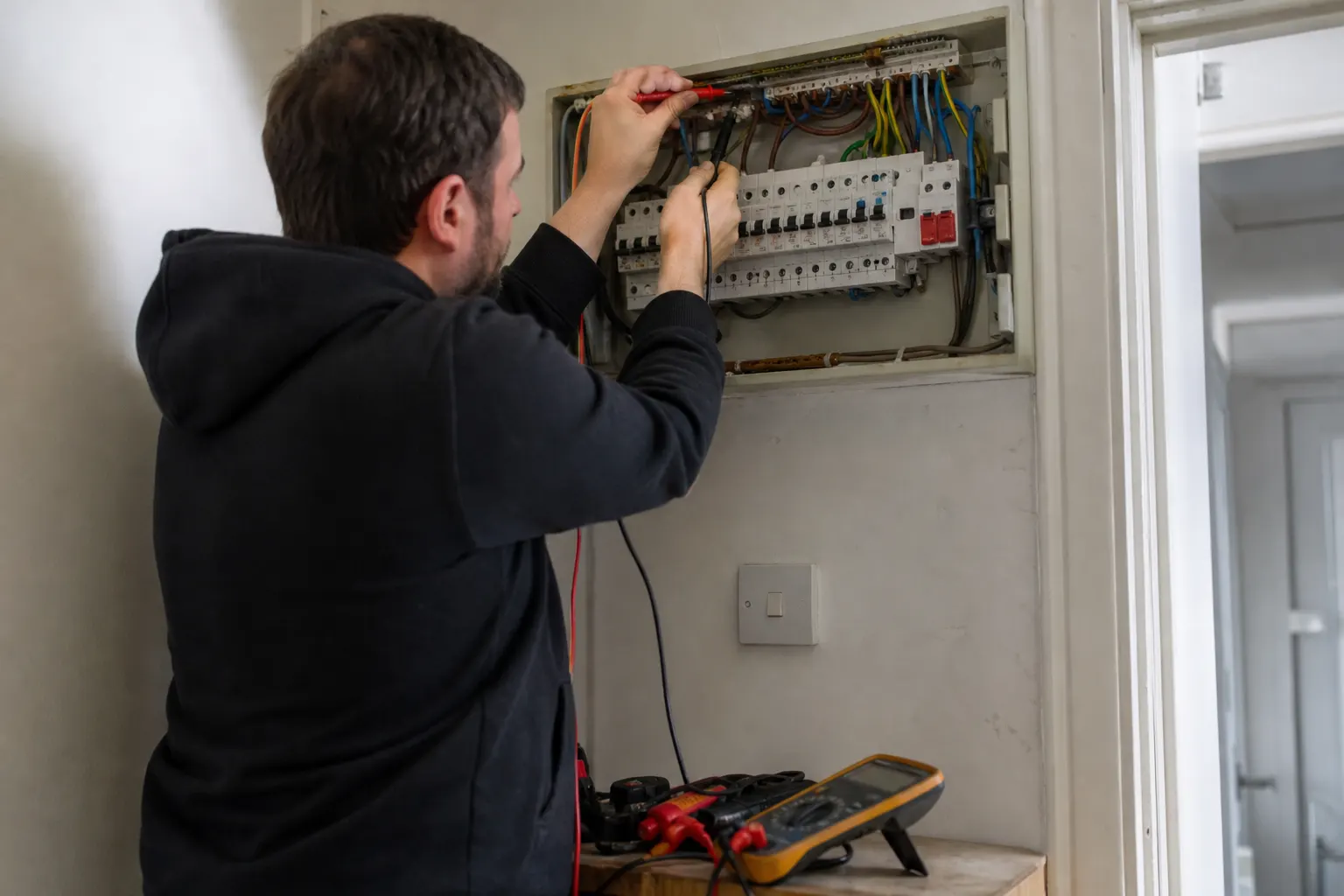
Mistake one: treating it as a quick look rather than a full inspection
An electrical installation condition report (often shortened to EICR) is an inspection and test of the fixed wiring and the electrical system in a property. It covers the consumer unit, circuits, sockets, lights, earthing and bonding. It is not the same as a PAT test, which checks portable appliances, and it is not a quick glance at the fuse board.
If someone offers a report without opening up the consumer unit or testing the circuits, be wary. Ask what will be tested and how many circuits are covered. A proper condition report records what was inspected and what was found, so you can rely on it.
Mistake two: hiring the wrong person
An EICR is only as good as the person who carries it out. The inspector must be a qualified electrician who is competent in inspection and testing, not just general electrical work. Those are different skills.
Before you book, ask what qualifications they hold for periodic inspection and testing, and ask to see ID on the day. Check that the report will be a full written document with observations and a clear outcome. If you are a landlord, a vague or unsigned report may not satisfy your legal obligations.
Mistake three: making access difficult
Inspections often run into trouble because the electrician cannot reach everything. Common blockers include a consumer unit hidden behind stored items, locked rooms, garages or sheds with their own supply, and tenants who were not told about the visit.
Clear the area around the consumer unit, unlock all rooms and outbuildings, and tell occupants in advance. Expect the power to be switched off for periods, so save work on computers and plan around anything that needs constant power, such as medical equipment or freezers. If parts of the installation cannot be inspected, the report will say so, and you may need a second visit.
Mistake four: filing the report without reading it
The outcome is usually satisfactory or unsatisfactory, and observations are given codes. In general terms, C1 means danger is present, C2 means potentially dangerous, C3 means improvement is recommended, and FI means further investigation is needed. Wear and tear on older wiring is often behind these findings, but it is the safety risk that matters, such as electric shocks or overheating.
Do not leave C1 or C2 items waiting. Ask the electrician to explain each one in plain language and to separate what is urgent from what is advisory. Keep the report safe, give a copy to tenants or your letting agent if you are a landlord, and note the recommended date for the next inspection.
A related misunderstanding is expecting faults to be fixed during the inspection. The EICR is a report, and any remedial work is normally quoted and arranged separately.
Mistake five: choosing on price alone, and forgetting the rules can change
Two quotes can look very different because they cover different things. Pricing usually depends on the size of the property, the number of circuits and consumer units, how easy everything is to reach, the age and condition of the wiring, and how long the inspection takes. Some firms use a fixed price, others an hourly rate, and remedial work and parts are usually extra.
Ask for a written quote that states what is included, whether a written report is provided and what happens if faults are found. A suspiciously thin quote may mean a thin inspection.
Finally, landlords have legal obligations around electrical safety in rented properties, and homeowners may be asked for a report when buying or selling. Regulations can change, so check GOV.UK for the current position rather than relying on old advice. Billericay Electrical Services covers Billericay and the wider Essex area for EICR work.
Common questions
What is the difference between an EICR and a PAT test?
An EICR inspects and tests the fixed electrical installation, such as the wiring, consumer unit and sockets. A PAT test checks portable appliances like kettles and lamps. One does not replace the other.
Can the electrician fix problems during the EICR?
Normally not. The EICR is an inspection and report. If it finds faults, remedial work is usually quoted and arranged separately, so you can see what is needed and decide how to proceed.
What should I do before the inspection?
Clear access to the consumer unit, unlock all rooms and outbuildings, tell any tenants, and plan for the power being off for periods. Have any previous reports to hand if you can.
Do landlords need an EICR?
Landlords have legal obligations about the electrical safety of rented properties, but the details can change. Check GOV.UK for the current rules that apply to your property.